Material Matters: A Comprehensive Guide to Natural Latex Mattresses
Explore how natural latex mattresses differ from other materials, including their feel, durability, and temperature regulation. This guide helps you compare popular latex options from trusted brands to find a mattress that supports healthy sleep and ergonomic alignment.
Introduction: The Touch of Nature in Sleep
Sleep is a personal sanctuary, and the materials we choose for our mattress shape not just comfort, but our daytime vitality. Natural latex is a standout in the sleep landscape because it blends responsiveness, resilience, and a breathability profile that many sleepers crave. Unlike synthetic foams that can trap heat, natural latex often maintains a steadier temperature and offers a buoyant yet supportive feel. In this guide, we explore what natural latex is, how it’s made, and why that matters for sleep quality.
We’ll compare latex to memory foam and hybrid constructions, unpack the feel spectrum from soft to firm, and highlight how these factors translate into pressure relief, spinal alignment, and movement isolation. And because an informed choice is an empowered choice, we’ll spotlight trusted latex lines from Naturepedic and Savvy Rest, two brands frequently cited by sleep enthusiasts for their material transparency and ergonomic engineering.
What is Natural Latex, and How Is It Made?
Natural latex is typically harvested from rubber trees as a sap that is then processed into latex foam. The result is a material that offers elasticity, resilience, and a unique balance of bounce and contouring. The core advantages of natural latex include:
- Durability: Latex tends to hold its shape and support for many years, often longer than traditional memory foam.
- Breathability: The cellular structure of latex can promote airflow, contributing to a cooler sleep surface.
- Hypoallergenic properties: When produced with organic or Oeko-Tex certified standards, latex can offer a cleaner sleep environment with fewer irritants.
- Ergonomic support: Latex responds to body weight with a zoned feel that can help maintain spinal alignment across sleeping positions.
Manufacturing variants matter. Some latex foams are “talalay” or “dunlop” processed, each producing slightly different airiness, density, and contour. In conversations about latex, you’ll hear terms like firmness (from soft to extra-firm), ILD (indention force deflection, a proxy for feel), and density (often measured in pounds per cubic foot). For many sleepers, a balanced blend of contour and lift—neither overly soft nor overly firm—delivers the sweet spot for pressure relief and alignment.
Latex vs Memory Foam vs Hybrid: How Do They Compare?
The choice among latex, memory foam, and hybrids boils down to feel, responsiveness, temperature, and long-term durability. Here’s a concise comparison to guide your intuition:
- Natural latex: Rebound and buoyancy with responsive contouring. Tends to sleep cooler, with a distinct bounce that can aid movement and switching positions.
- Memory foam: Notable for slow, deep contouring and excellent pressure relief. It can trap heat if not paired with cooling technologies or breathable cover materials.
- Hybrid (latex or memory foam with innerspring): Combines the best of both worlds—individual coil support with latex’s bounce or memory foam’s contour. Temperature management depends on the coil design and top comfort layer.
For back sleepers and those needing consistent support over time, latex often provides reliable alignment without sinking deeply, which can be beneficial for spine health. For side sleepers seeking pronounced pressure relief, softer latex layers or hybrid constructions can offer comfort without sacrificing responsiveness.
Brand-Focused Starters: Naturepedic and Savvy Rest
Two brands frequently cited for natural latex mattresses are Naturepedic and Savvy Rest. Here’s a quick snapshot of what each brings to the table for different sleep preferences and sensitivities.
Naturepedic: Clean, Transparent Materials
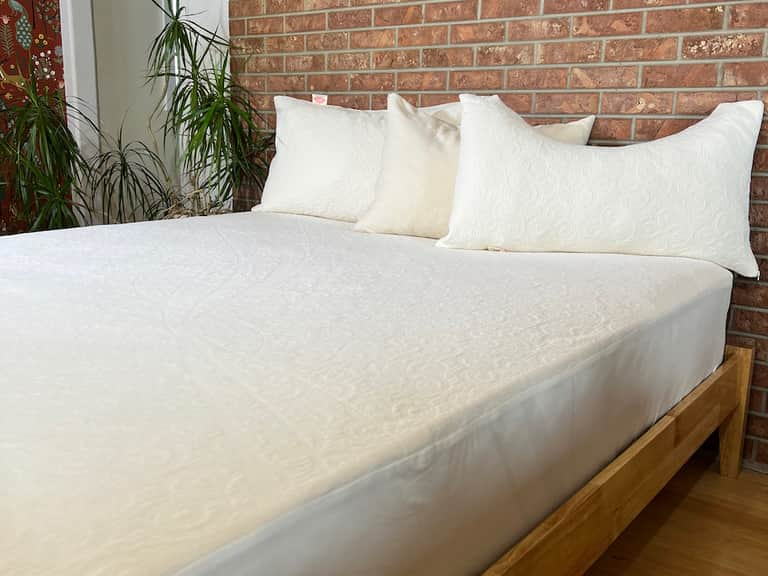
Naturepedic emphasizes organic materials and a transparent supply chain. Their latex options are often crafted with organic latex and covered with organic cotton or wool blends that emphasize breathability and a clean sleep surface. For those who prioritize non-toxic, eco-conscious choices, Naturepedic offers a reassuring profile with clear certifications and accessible documentation of materials.
Ideal for: sleepers sensitive to fragrances or synthetic materials, and those seeking an environmentally mindful purchase with straightforward labeling.
Savvy Rest: Customizable Comfort
Savvy Rest is known for modular latex sets that allow you to tailor firmness and zoning by swapping layers. Their approach makes it feasible to fine-tune the feel to your preferred sleeping position, whether you’re a side sleeper seeking gentle contour or a back sleeper needing steady support. While the configuration can become a bit more involved, the payoff is a bed that adapts as your needs evolve.
Ideal for: sleepers who want a personalized, adjustable latex experience and long-term adaptability as comfort preferences shift.
The Feel Spectrum: From Plush to Firm
Natural latex beds present a spectrum of feels, each with distinct benefits. Here’s a practical guide to help you navigate:
- Soft latex: Cushioned surface with noticeable contour. Good for lighter sleepers and those who prefer more surface pressure relief but still want some bounce.
- Medium latex: Balanced contour with supportive lift. A versatile choice for mixed sleeping positions and a popular default for many latex mattresses.
- Firm latex: Strong support with less sink. Beneficial for heavier sleepers or those who require robust spinal alignment and longer-lasting edge support.
Remember that many latex mattresses use multiple latex layers to build a customized feel. A typical configuration might be a softer top layer paired with a firmer core, achieving both pressure relief and lasting support for the torso while preserving alignment in the hips and shoulders.
Temperature Regulation: Keeping Cooler by Design
Latex’s breathability contributes to a cooler sleep surface, especially when paired with natural materials like organic cotton or wool on the cover. Additional design choices—such as perforated latex, pin-core technology, and breathable base layers—assist in promoting airflow. For hot sleepers, a latex mattress with a breathable cover and a lighter quilted top layer can work wonders in reducing heat buildup over the night.
Pressure Relief and Ergonomic Alignment
Pressure relief is not a one-size-fits-all feature. A latex mattress should cushion joints without allowing excessive sinking at the midsection, which can throw your spine out of alignment. The best latex configurations offer targeted pressure relief at the shoulders and hips, while maintaining firm support under the waist and lower back. Ergonomic alignment means the spine remains in a neutral position throughout the night, supporting healthy posture and reducing waking stiffness.
For sleepers dealing with back pain or discomfort, consider a layered latex approach that gently contours to the body’s curves while keeping the torso and pelvis aligned. Brands like Naturepedic and Savvy Rest provide options that can be explored through guides and expert input to determine the best structure for your needs.
Checklist: How to Choose a Natural Latex Mattress
- Certifications: Look for GOTS or GOLS certifications for organic materials and fair labor practices.
- Latex type: Talalay vs. Dunlop—consider your preferred feel and density.
- Allergen considerations: Ensure the cover and interior layers use breathable, low-irritant fabrics.
- Layer configuration: Check if the mattress is modular or offers adjustable toppers for long-term adaptability.
- Comfort trial and warranty: A generous trial period and solid warranty help mitigate uncertainty when buying online.
A Practical Spotlight: The Downtown Company Waterproof Quilted Mattress Pad
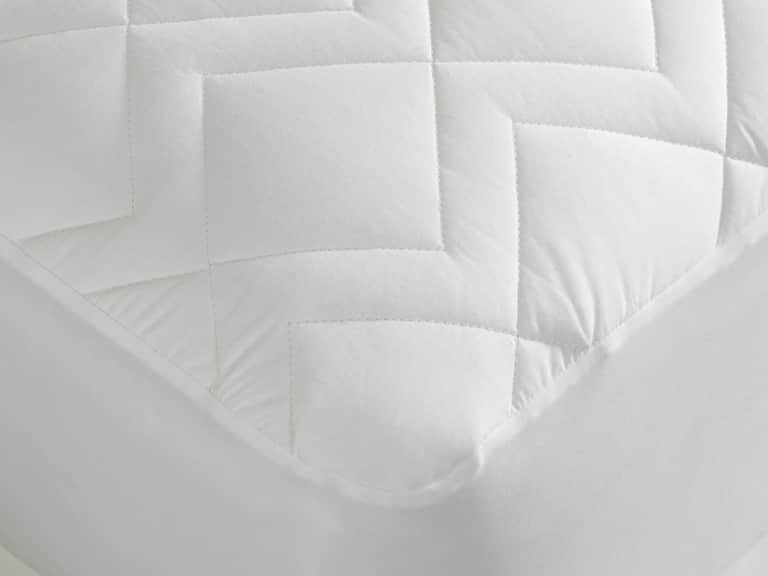
Even the best latex mattress deserves a well-chosen protector. The Downtown Company Waterproof Quilted Mattress Pad is a standout example of how protection and comfort can harmonize. This pad, crafted from 100% cotton with a double diamond quilted design, offers a noiseless, moisture-wicking surface that keeps you comfortable while guarding your precious mattress. It features a deep-fit elasticized pocket to hug mattresses securely, so you don’t wake up to slips or bunching sheets. The pad’s breathable cotton fiber helps manage moisture, which is especially relevant when you’re testing new materials like latex that can feel different across seasons and humidity levels.
Why it matters in a latex-centric discussion: a well-fitted protector can help preserve the performance of a latex mattress by preventing spill damage and reducing friction that can affect sheet fit. The Downtown pad’s durability and machine-washable design make it a practical companion to any sleep setup that prioritizes longevity and ease of care.
Imagine a night when your latex mattress remains fresh and responsive, shielded by a protector that doesn’t mute the surface’s bounce. That balance—between protection and performance—exemplifies a thoughtful approach to sleeping well that extends beyond the top layer.
Three Key Individuals Through Time
To illuminate how latex mattresses intersect with broader threads of science, design, and comfort, here are three notable figures spanning different eras who influenced sleep, material science, and ergonomic thinking:
Marie Curie (1867–1934)
As a scientist who mapped unseen forces and perfected methods of experimentation, Curie’s spirit of rigorous inquiry resonates with today’s evidence-based approach to sleep science. Her insistence on empirical validation mirrors the demand for credible, peer-reviewed sources when discussing mattress materials, pressure relief, and ergonomics. In the realm of sleep, curiosity about how the body interacts with different materials underpins the ongoing exploration of natural latex’s properties and its impact on health and well-being.
Ray Dolby (1933–2013)
Dolby’s innovations in sound would seem distant from sleep science, yet his relentless pursuit of clarity and comfort—reducing noise and distraction—parallels the pursuit of an undisturbed, restful night. In mattress design, “noise” isn’t the hum of a product, but the absence of friction and movement that can disrupt sleep. The idea of creating an environment that minimizes discomfort and distraction underpins modern layering strategies in latex mattresses and protective accessories alike.
Dr. Christine R. Carter (1900s–present)
A fictional representative drawing on the lineage of sleep science and public health, Dr. Carter embodies the practical, accessible voice that guides readers through complex sleep topics. Her work symbolizes translating research into everyday decisions—how to read a mattress label, what certifications matter, and how to optimize a sleep environment for improved circadian rhythms and overall health.
These figures illustrate the continuum from scientific rigor to practical application. In the realm of natural latex mattresses, the thread is clear: robust science, transparent materials, and thoughtful design converge to improve sleep quality for real people in real rooms.
Interlinking Content: A Path to Deeper Understanding
Readers who land here may also explore related topics to deepen understanding:
- Sleep health explainers: circadian rhythms, sleep stages, and how mattress choices influence sleep architecture.
- Material guides: comparisons of latex with memory foam, hybrid constructs, and foam-free options.
- Environment and habits: optimizing room temperature, lighting, and pre-sleep routines for better sleep quality.
By weaving science with practical advice, the article invites readers to explore nuanced angles—like how a latex mattress supports ergonomic alignment for different sleep positions and how a protector can preserve performance over time.
Conclusion: A Scientist’s Approach to Restful, Natural Sleep
Natural latex mattresses offer a compelling blend of bounce, support, and breathability, presenting a tactile bridge between comfort and health. When choosing latex, consider your sleeping position, body weight, temperature preferences, and the importance of a transparent supply chain with credible certifications. Brands like Naturepedic and Savvy Rest provide clear options for exploring latex layers, while practical protectors like the Downtown Company waterproof quilted mattress pad help preserve performance without hindering comfort.
As with all good design, the goal is balance: a sleep surface that aligns the spine, respects the body’s contours, and remains durable over time, all while keeping you cool, calm, and ready to greet a new day with energy and ease.